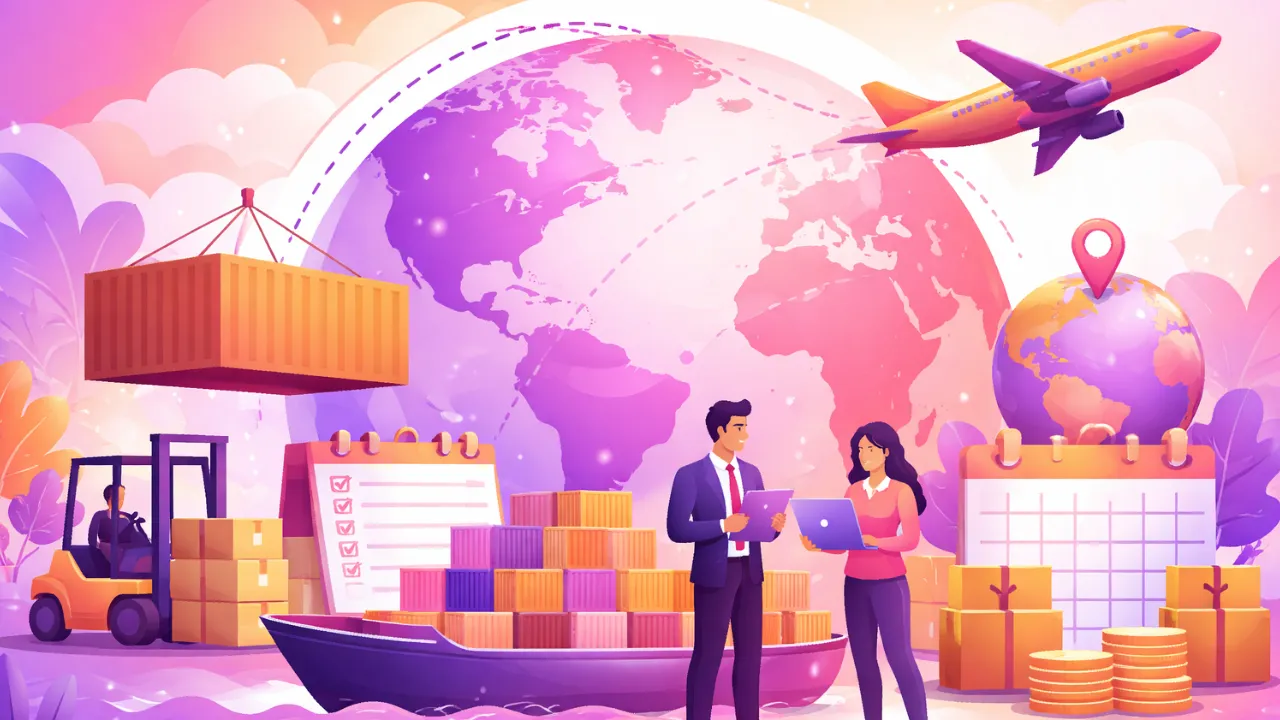
When you have ever been in a local Indian market, with the perfume of fresh spices filling the air, or with the bright colors of the hand-made textiles in your eyes and have said to yourself, “The world has to see this,” you are already thinking like an exporter. This is exactly how many successful export business ideas are born. Exporting is not only related to the transportation of goods across boundaries; it is about getting in touch with different cultures and providing value where it is truly needed. And today, India is at the heart of a giant transformation in the global market.
And the truth in figures is the following: India’s total exports (merchandise and services) reached an all-time high of $825 billion in the fiscal year 2024–25. The government has set an ambitious target of $2 trillion in exports by 2030. Sectors like electronics and engineering are leading the way, while service exports have been growing at a rate of over 13 percent in recent years—creating strong momentum for new and scalable export business ideas.
Whether you are an old-school manufacturer or a beginner looking to start an export business in India right from your living room, this guide will walk you through the what, why, and how of building profitable export business ideas in today’s global economy.
Growth of Indian Export Market in 2026
It is looking like the year 2026 will be a defining one to the Indian exporters. It is not only business as usual, modifications in the global economy are to its advantage in India.
The “China Plus One” Strategy
The global business does not feel safe anymore depending on China alone in manufacturing. They are seeking alternatives and India is the best option. Since the Apple-iPhone-manufacturing business is outsourced to India, the concepts of textile manufacturers relocating sourcing to Tirupur and Surat, the concept of Make in India: the World of our Dream seems stronger than ever.
Free Trade Agreements (FTAs) are the source of power
India has already signed aggressive trade agreements with the UAE, Australia, and is currently engaged in intensive negotiations with the UK and the EU. To you, this will be reduced or zero customs duties of most products. By 2026, the Indian goods will be competitive on the world shelves as their prices will be lower than it has been decades before.
The Emerging E-Commerce Exports
Being an exporter does not require you to ship a container any more. Transactions across borders (with solutions such as Amazon Global Selling) are booming. Jewellery is being sold directly by small artisan jewellers in Rajasthan to clients in New York. The e-commerce exports will constitute a large portion of the Indian trade by the year 2026.
What Is Export Business and How it Works?
In its simplest, an export business involves selling the goods or services produced in India to the purchasers in another state. It is the type of arbitrage- buying something cheap in India and selling it where it is rare and costly.
The Basic Cycle
- Sourcing: Find a manufacturer (or produce it yourself) that produces a high-quality product.
- Marketing: Locate a customer in an overseas nation that requires such a product.
- Documentation: Price and terms (Incoterms) agreement and drafting of the necessary documents (invoice, packing list).
- Logistics: These are transferred to a freight forwarder who either ships them by sea or air.
- Payment: Receive in foreign currency (dollars, euros, pounds) but get converted into rupees according to your bank.
Why Export Business is a good opportunity in India
It is not worth the trouble, you may say; The answer is a clear yes
1. Higher Profit Margins
The home market is highly price-sensitive. A handmade bag made of leather may cost 1500 in India. In the UK or USA, the same bag, which is advertised as a hand-made artisan leather product, will fetch 50 or 80 pounds (approximately 5000 or 6500 rupees) or so. The profit margin is significantly higher even after deducting the shipping costs.
2. Government Incentives
The Indian government would like you to export. To assist, they provide programs such as the RoDTEP (Remission of Duty and Tax on Export Products) where the taxes paid when producing are reimbursed.
3. Recession-Proofing your Business
When the Indian market is sluggish, there is a possibility that other markets like the Middle East or Europe are thriving. Exporting spreads your risk. Just one economy is not like you depending on it.
How to Start an Export Business in India (Step-by-step)
- Registration of Business: Register your business (Proprietorship, LLP or Pvt Ltd).
- Open Current Bank Account: Required in all business deals.
- Apply to obtain IEC Code ( Import Export Code): This is your export visa. Please apply online on the DGFT site; it is a 10-digit number that is connected with PAN.
- RCMC (Registration Cum Membership Certificate): Registering at the appropriate Export Promotion Council (e.g. Spices Board, APEDA). This is needed to take up government benefits.
- Choose Your Product and Market: It is not necessary to promote everything everywhere. Initially pick a single niche product and a single target country.
- Identify a Buyer: B2B, trade fairs or digital marketing.
There are 15 high-potential product ideas as shown below. I have selected them according to the present trends in the world in 2026, sustainability needs, and production capacity of India.
15 Most Profitable Export Business Ideas in India
There are 15 high-potential product ideas as shown below. I have selected them according to the present trends in the world in 2026, sustainability needs, and production capacity of India.
1. Organic Turmeric Powder
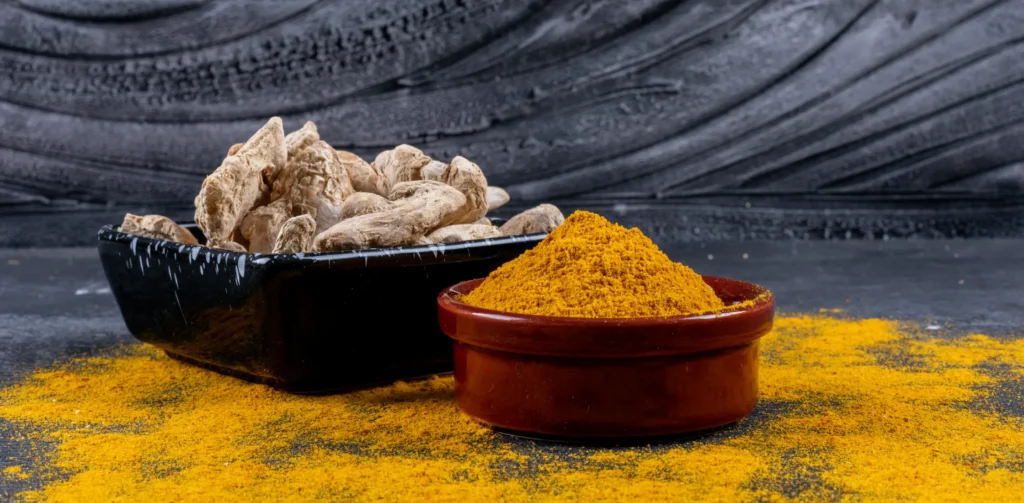
The spice bowl of the world is India, however, the Yellow Gold specifically means high-curcumin turmeric, e.g. Lakadong of Meghalaya. The international purchasers no longer seek generic yellow powder, but certified organic, pesticide-free turmeric containing over 5 per cent of curcumin. This product needs meticulous sourcing of the certified organic farms, cleaning and low temperature processing to preserve the essential oils and medicinal qualities.
You should ensure the powder does not contain any heavy metals and fillers and this is a big issue in the western markets. Packaging is a huge matter; it is necessary to use vacuum-packed and environmentally-friendly bags that preserve freshness and smell. The notion of this superproduct being an immunity-enhancing foodstuff is what is selling it, as a formerly mere spice in the kitchen turns into a health product worth a premium in the mind of the consumers.
- Who buys it internationally: USA, UK, Germany, Middle East.
- Why it is on demand (2026): The health consciousness of the post-pandemic population is still high, and turmeric is an ingredient of the current trend of the Golden Milk latte.
- Startup up: Register with the Spices Board of India. Directly sourced out of organic collective in Northeast India or Erode.
- Profit Potential: High. A 30 to 50 percent premium can be made on organic certification as compared to standard prices.
2. Specialty Coffee Beans
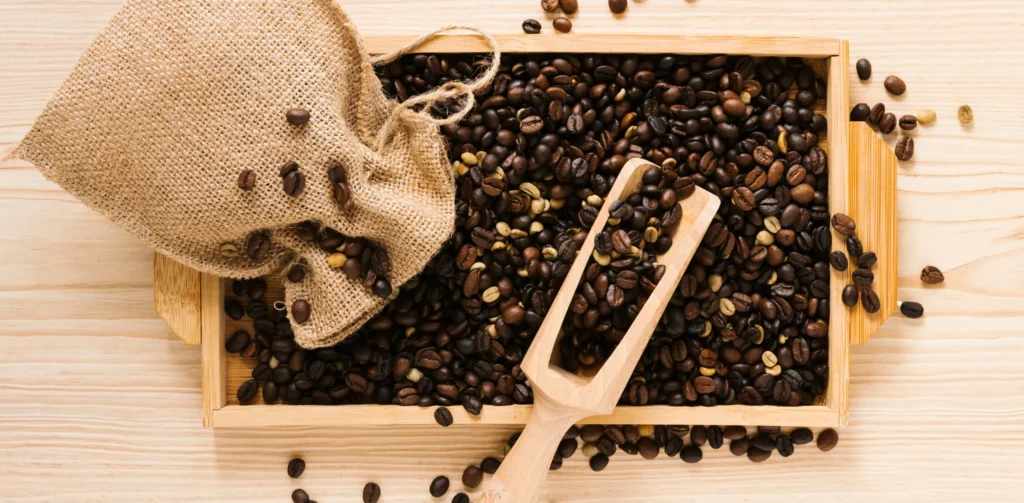
Although India is recognised as a tea country, Indian Speciality Coffee (particularly, the one produced in such areas as Araku Valley, Coorg, and Chikmagalur) is enjoying massive popularity in the world, making it one of the promising export business ideas in India. This is unlike instant coffee in which there is exportation of high-grade Arabica or Robusta beans that are shade-grown, hand-picked and sun-dried. This is centred on the so-called cupping score coffee that has a higher mark on the speciality scale, above 80 points.
One would be working with green coffee beans (raw) or roasted beans that are packed in valve-sealed bags. The plot of the plantation, the altitude, and the sustainable agricultural methods (intercultivation with pepper or fruits) are a tremendous addition. It is not coffee as such, but a crafted experience. Buyers want particular processing techniques such as monsoon Malabar or honey processes which provide unique tasting notes that are not possible with commodity coffee.
- Who buys it internationally: Italy, Germany, Belgium, Russia, Australia.
- Why it is on demand (2026): The single-origin, shade-grown Indian coffee is gaining demand on the global market in the movement known as the Third Wave Coffee.
- Start-up: Coffee Board of India registration. Send international roaster samples.
- Profit Potential: Medium to High. Direct Trade with boutique roasters is the best in terms of margin.
3. Skincare Ayurvedic and Herbal Products

The world is also shunning the use of chemical-enriched cosmetics and towards nature, making Indian Ayurvedic skincare one of the promising export business ideas. The Indian Ayurvedic skincare (with ingredients such as Neem, Saffron (Kumkumadi), Sandalwood and Aloe Vera) is best placed to capture this market. The products under this category comprise face oils, herbal shampoos, handmade soaps, and anti-ageing creams made out of 5000 year old recipes. The secret of exporting them is not only the good but also meeting the international cosmetic standards (such as the EU).
The products should be free of parabene, cruelty-free, and better still, vegan. The package must portray a blend of ancient wisdom and modern glamour. You do not only sell a face wash, but a holistic wellness ceremony. Exclusive labeling that explains the Ayurvedic benefits of all herbs is very important in educating foreign consumers.
- Who buys it internationally: USA, France, UAE, Japan.
- Why it is in demand (2026): The market of Clean Beauty is expected to develop at a high rate. Ayurveda is regarded to be the original clean beauty.
- How to start it: either license the manufacturing or hire a contract manufacturer (White Label). Register with Chemexcil.
- Profit Potential: Very High. The value of brands has a great influence.
4. Handmade Jute Bags and Environmentally Friendly
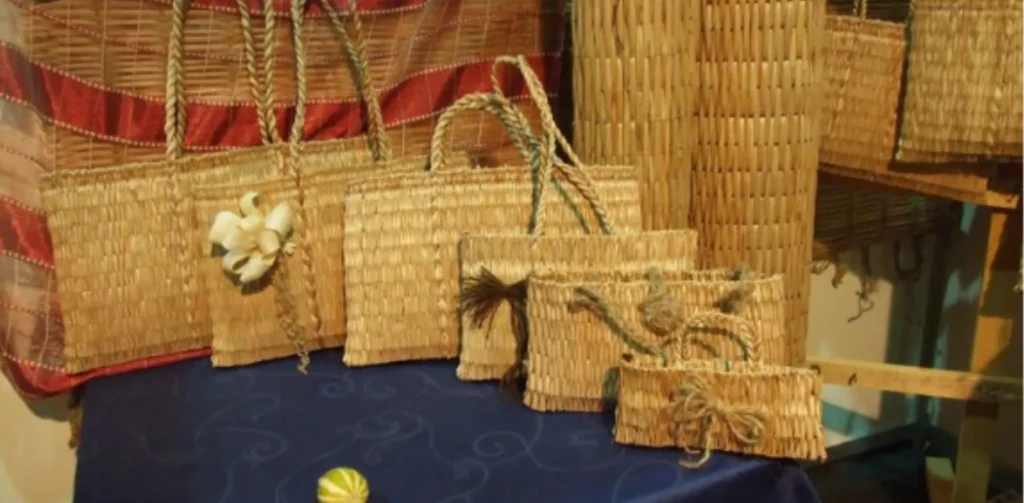
With single-use plastics illegitimized in increasing numbers of nations annually, India is dashing back with its “Golden Fibre”. This group includes shopping bags, beach bags, wine bottle bags and even fashion accessories that are produced using jute. Modern jute exports are soft and dyed in colorful vegetable hues unlike the jute of the olden days, which was rough and scratchy, and is frequently mixed with cotton ( Juco ). It is a low-tech and labor-intensive manufacturing process that can be acquired by small exporters.
The most popular feature is customization which includes printing a logo of a foreign store or a particular design on the bag. Your key weapon of marketing is the eco-friendly credential; these bags are biodegradable and compostable. You should even make sure that the lamination in the bag (when using it) should be food-grade or environmentally friendly to correspond to rigid European requirements.
- Who buys it internationally: UK, France, Germany, USA, Australia (Supermarkets and Boutiques).
- Why it will be in demand (2026): The bans on plastic in the EU and North America are causing retailers to transition to reusable natural fiber bags.
- How to start it: Jute Products Development and Export Promotion Council (JPDEPC).
- Profit Potential: Volume-based. The unit per unit margins are low, but the ordering quantities are normally substantial (thousands of pieces).
5. Organic Spices Mix (Masalas)
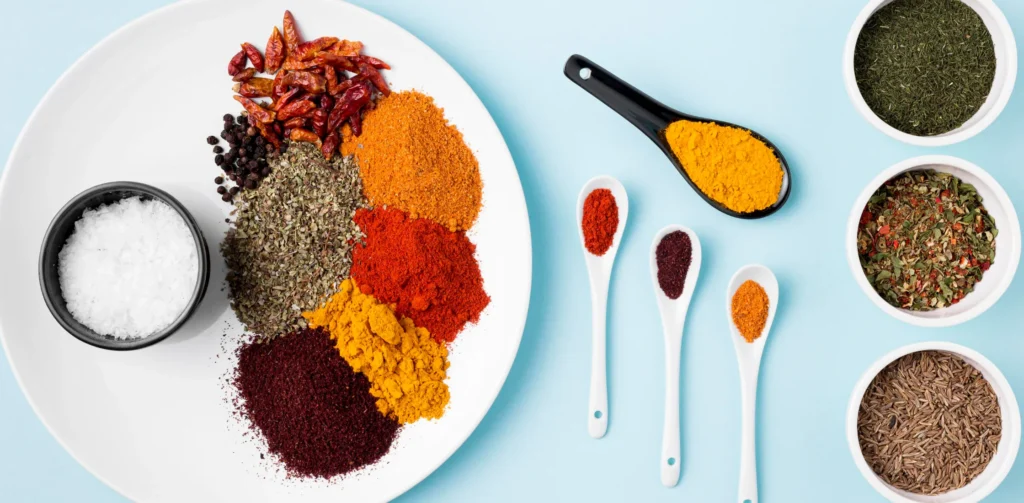
Whereas whole spices are a commodity, pre-ready organic spice blends (Masalas) are a value added product with a better margin, making them one of the attractive export business ideas in India. This entails the production of certain combinations according to the taste of world palates like the Organic Tikka Masala Mix, the Golden Curry Blend, or Chai Tea Spice Mix. The Western consumer can easily be confused at the prospect of cooking with separate whole spices; he wants a foolproof combination. The premium segment cannot be compromised on the description of Organic.
You should also make sure that the grinding is carried out in a sterile atmosphere so as not to contaminate it. The package should be appealing, airtight, and contain recipes to be used on the reverse side that should be easy to follow and in the target language (English in this case). This product fills the gap between the urge to consume healthy and exotic food and the absence of cooking skills to use raw spices.
- Who buys it internationally: USA, UK, Canada (vast Indian diaspora and the curious locals).
- Why it will be in demand (2026): House cooking is changing; individuals would desire authentically globally-oriented flavors without the bother of quantifying 10 spices.
- How to start it: Spices Board registration. FSSAI license. Pay attention to pleasing retail packages.
- Profit Potential: High. Pricing of value addition is much better than raw commodities.
6. Exotic Tea Varieties (Darjeeling, Assam, Nilgiri)
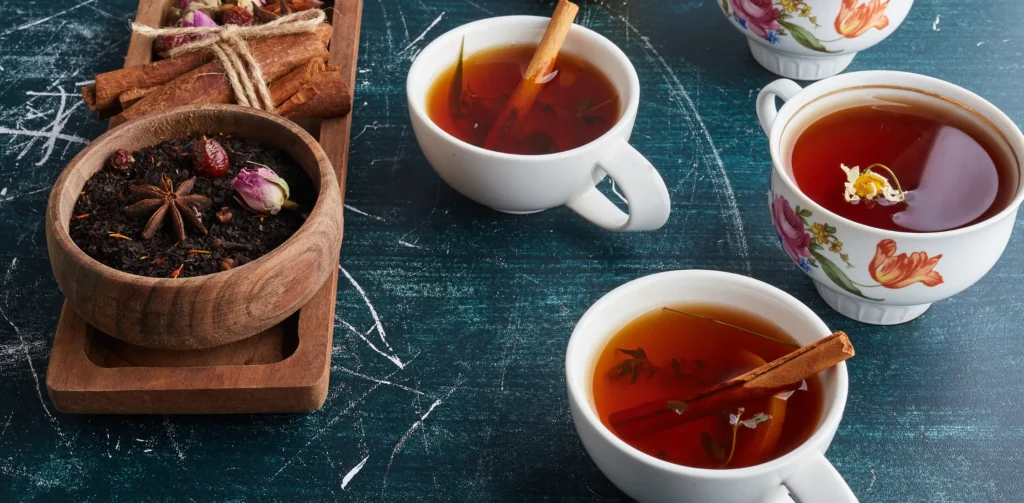
Most of the export revenues are from the teas of India, which produce the best teas in the world, yet not the ordinary chai tea, but rather from the Orthodox and Speciality teas, making them one of the strong export business ideas. The finest are the Darjeeling (carrying a GI tag), Champagne of Teas, heavy malty Assam orthodox tea and the fragrant Nilgiri teas. The customers desire the so-called Single Estate teas, which belong to one single garden and are able to demonstrate their origin. Special blends such as Earl Grey blends with Indian Bergamot or Masala Chai blends are also available.
Exporting involves taking samples, packing the tea in a dry manner, and usually vacuum packing in order to maintain its freshness. The loose-leaf tea sold in nice tin cans or biodegradable pyramid tea bags appeals to the high-end customers. The history of the tea garden in connection with its highness, its history and plucking season (First Flush vs. Second Flush) will help sell the tea. Today, e-commerce trends such as direct-to-consumer websites, premium product storytelling, subscription-based tea boxes, and global marketplace listings make it easier for brands to showcase this heritage and reach luxury tea buyers worldwide.
- Who buys it internationally: Russia, Iran, the UK, the USA, and Germany.
- Why it is popular (2026): The demand around the world is the premium, loose-leaf tea that provides people with health and experience.
- How to start it: Registration with Tea Board of India.
- Profit Potential: Soap Potential- High: When it comes to the premium flushes (harvests); moderate: When it comes to the bulk blends.
You Might Like: Tea Time Franchise
7. Organic Honey & Bee Products
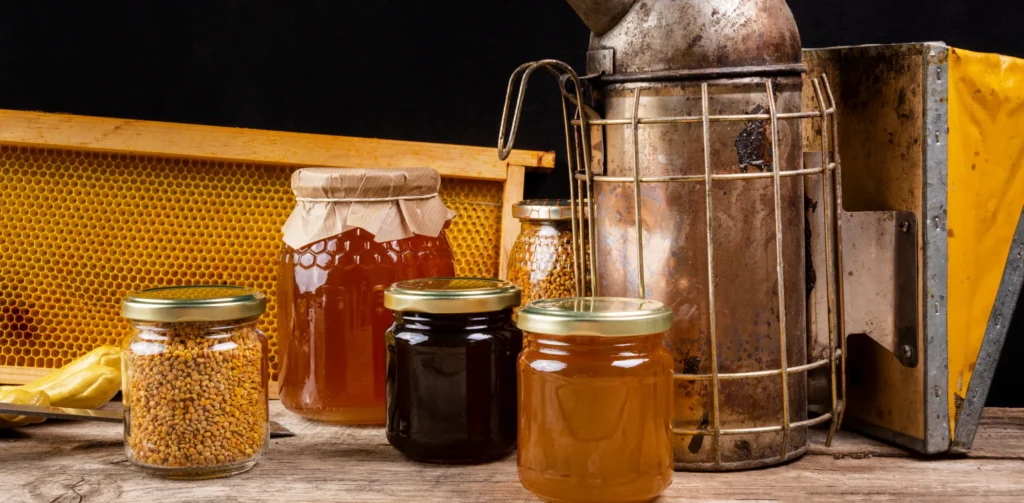
Honey is a product with trust issues. Counterfeit syrups are abundant in the market, and therefore, there is a high opportunity for certified pure, organic Indian honey, making it one of the promising export business ideas in India. There are special varieties such as Mustard Honey, Eucalyptus Honey, Lychee Honey or Wild Forest Honey of the Himalayas that are very popular. Other products of the bees, such as Beeswax, which can be used as cosmetics, as well as Royal Jelly, are also lucrative in addition to the raw honey.
Honey has to be antibiotic-free, raw, unfiltered, and unpasteurized in order to retain enzymes and pollen. Glass jars are to be used in export retail. You have to have lab reports with no sugar syrup in the honey. Marketing the source of the flower and health value will be a way of making your honey stand out among the honey in the supermarket.
- Who buys it internationally: USA, Saudi Arabia, UAE, Europe.
- Why it is popular (2026): Natural sweeteners are ousting refined sugar; Manuka honey is highly costly, leaving room to premium Indian ones.
- How to start it: Registration with APEDA and rigorous lab testing (NMR test) is required to begin with.
- Profit Potential: Moderate. The competition is intense with good quality attracting customers.
8.Fine Art Jewelry and Accessories

There are two emerging markets under this market: imitation/fashion jewelry and silver/gemstone jewelry. Other beautiful designs such as the Kundan, Meenakari, and temple jewelry are made by Indian artisans. The fashionable one is the present day Minimalist Jewellery in India with semi-precious stones and recycles of either brass or silver.
The west adores Boho-Chic designs. Lab-grown diamonds are another trend that is large, ethical, and conflict-free in addition to being less expensive as compared to mined diamonds. Shipment and insurance of jewelry exporters are required. Western markets require fashion jewelry that would not contain lead or nickel. The jewelry itself is as important as good photography and a catalog.
- Who buys it internationally: USA, UK, UAE, Hong Kong.
- Why it is popular (2026): Gold prices will be high, forcing people to buy silver and fake jewelry, which is cheaper.
- How to start: IMPGJEPC (Gems and Jewelry Export Promotion Council).
- Profit Potential: Very high. The amount of value added to the raw metal or stone is considerable.
9.Natural Essential Oils

India is the leading producer of essential oils such as mint (Mentha), lemongrass, citronella, vetiver and jasmine, making them one of the lucrative export business ideas. These are powerful plant extracts in aromatherapy, cosmetics, fragrance and medicine. The oils will normally be packed in aluminium bottles or drums. The most significant is purity; to control the presence of synthetic additives, buyers use gas chromatography (GC-MS).
You can sell to companies overseas (B2B) or sell 10ml bottles which are used at home (B2C). The quality and price is varied by the extraction technique (steam distillation and solvent extraction). Marketing emphasizes their health benefits, e.g. the use of lavender to sleep or of eucalyptus to breathe. The desire to use natural perfumery also leads to the surge in the demand of Indian attars, which are perfumes made of oil.
- Who buys it internationally: USA, France (capital of perfumes), Germany, UK.
- Why it is popular (2026): Spa and wellness are on the increase; customers prefer natural rather than artificial fragrances.
- How to start it: Registration under Chemexcil, Kannauj, or Kerala.
- Profit Potential: High. Small lots make high value.
10. Herbal Health Supplements
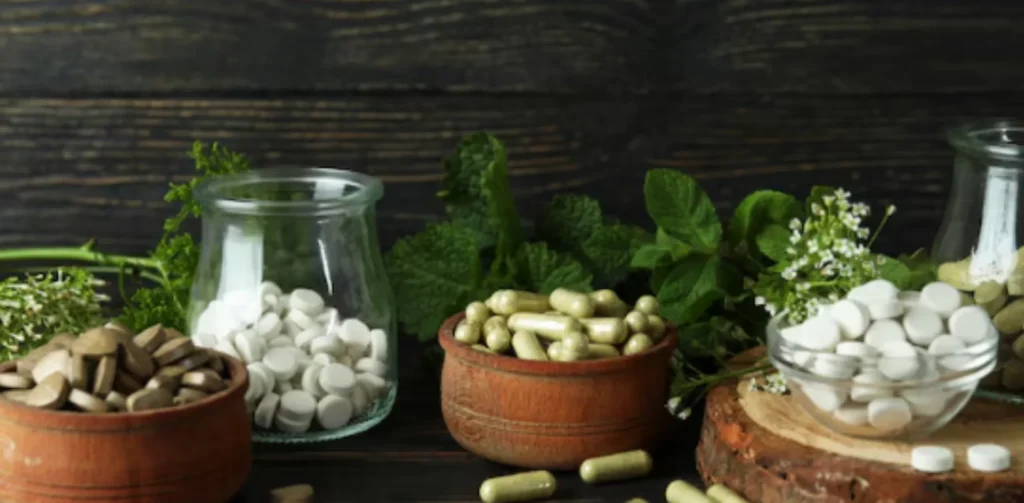
The world has become much aware of the strength of Indian herbs. The Ashwagandha, Moringa, Giloy and Curcumin capsules are selling like hot cakes in pharmacies all over the world. It is a business of processing raw herbs into standard extracts and encapsulating them in either capsules, tablets or powders. Selling supplements is unlike selling raw herbs, as the market you sell them in (US in this case, as with FDA registration) has rules on the dietary supplements to be sold.
The packaging ought to be clinical and yet natural. You can produce your own brand or also do what is called Private Labelling which is on behalf of foreign wellness brands. The product becomes mostly promoted by the strength of the extract (e.g. 5% Withanolides in Ashwagandha). It is a knowledge intensive business, you have to be aware of what health claims you can make and what claims you cannot make by law in various countries.
- Who buys it internationally: the USA, Europe, or Japan.
- Why it is popular (2026): Preventive health care is a super trend. Ashwagandha happens to be among the highest-selling supplements in the US.
- How to start it: APEDA/Pharmexcil registration. Registration of US exports by FDA.
- Profit Potential: Very high. Customers continue to make purchases in the health sector.
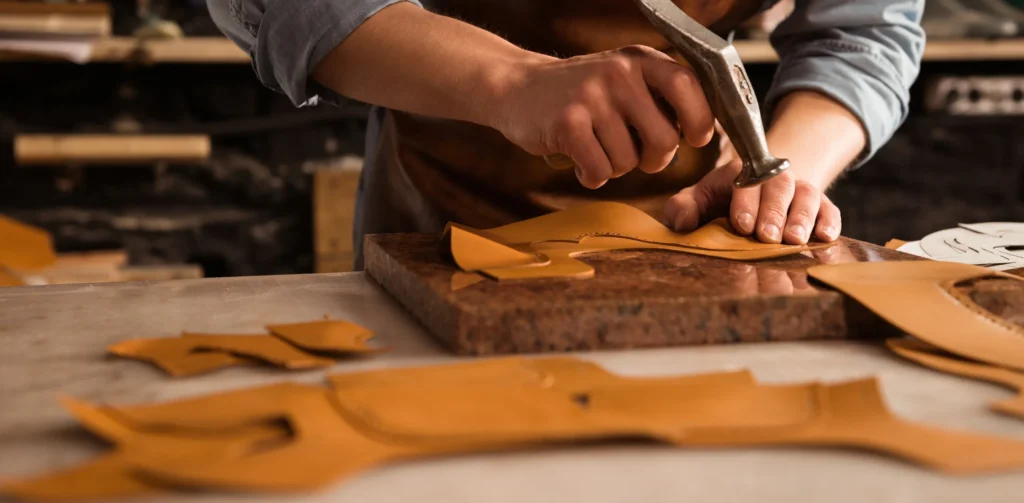
11. Handmade Leather Goods
The world has become much aware of the strength of Indian herbs, making products like Ashwagandha, Moringa, Giloy, and Curcumin capsules one of the promising export business ideas in India. These capsules are selling like hot cakes in pharmacies all over the world. It is a business of processing raw herbs into standard extracts and encapsulating them in either capsules, tablets, or powders. Selling supplements is unlike selling raw herbs, as the market you sell them in (US in this case, with FDA registration) has rules on the dietary supplements to be sold.
The packaging ought to be clinical and yet natural. You can produce your own brand or also do what is called Private Labelling which is on behalf of foreign wellness brands. The product becomes mostly promoted by the strength of the extract (e.g. 5% Withanolides in Ashwagandha). It is a knowledge intensive business, you have to be aware of what health claims you can make and what claims you cannot make by law in various countries.
- Who buys it internationally: USA, Europe, or Japan.
- Why it is popular (2026): Preventive health care is a super trend. Ashwagandha happens to be among the highest-selling supplements in the US.
- How to start it: APEDA/Pharmexcil registration. Registration of US exports by the FDA.
- Profit Potential: Very high. Customers continue to make purchases in the health sector.
12. Grains (Millets) and Organic
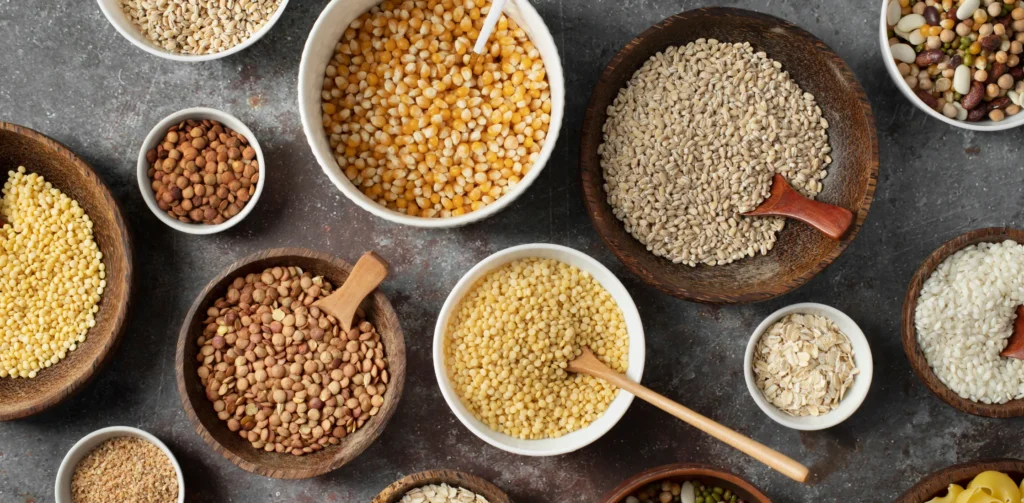
The knowledge on Indian grains such as Ragi (Finger Millet), Jowar (Sorghum), and Bajra (Pearl Millet) has increased significantly after the International Year of Millets (2023). They are both sold under the name of Ancient Grains and Gluten-Free Superfoods. In addition to millets, there are special rice varieties such as Basmati, medicinal rice varieties (Black Rice, Red Rice) which are also in demand.
The commodity that will be exported may be raw grains, flour or even value added goods such as millet noodles and cookies. You should ensure that there are no weevils or moisture excess in the product. Prior to shipping, the container needs to be fumigated. The package must also be powerful so that the product does not go to waste in the long voyage by sea. In Western markets where gluten intolerance has affected a lot of people, gluten-free certification is a large selling point.
- Who buys it internationally: the USA, Europe, or the Middle East.
- Why it is popular (2026): The world is moving towards gluten-free and diabetic-friendly diets, and millets will suit perfectly well into this scenario.
- How to start it: APEDA registration. The Western markets require organic certification.
- Potential profit: Volume-based. Prices are cheaper, although orders are made in containers.
13. Wooden Handicrafts and House Decor
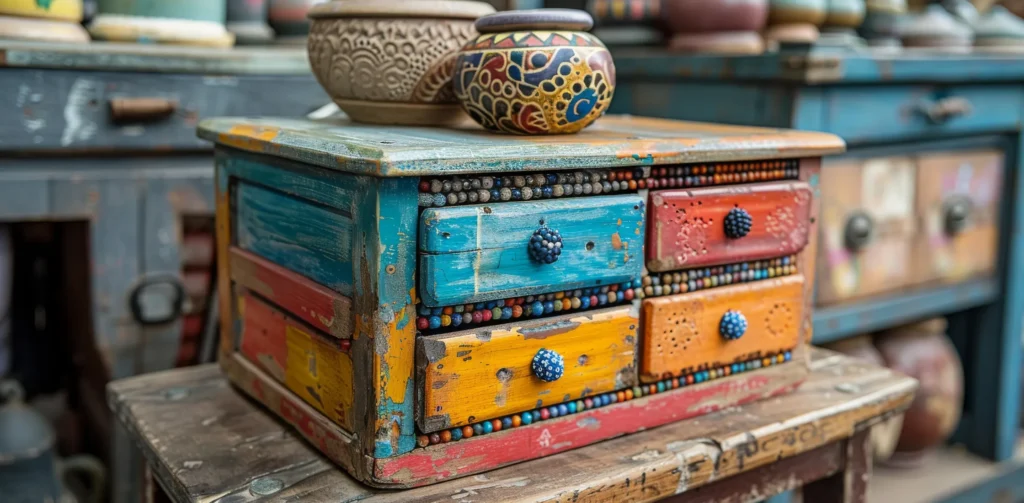
Indian woodcraft is famous, making it one of the attractive export business ideas. This category comprises carved furniture in Saharanpur, wooden toys in Channapatna, cutting boards and salad bowls in the kitchen, and wall decor. The material used, the wood, is Mango wood, Acacia, and Sheesham, which are strong and have beautiful grain patterns. Mango wood is particularly sustainable since it is harvested when the tree is no longer producing fruit. The importers seek Vriksh or FSC certification to ensure that the wood is legally obtained.
The finish (polishing) should not be toxic, particularly in kitchenware and toys. Packaging does not matter, the wooden ones are heavy and can break when dropped thus you require drop-tested packaging. The 2026 trends are inclined towards the styles of the 2026, i.e., Rustic and Distressed style, and Indian Artisans are talented to create them.
- Who buys it internationally: USA (a large market of home decor), Europe.
- Why it is popular (2026): The interior design styles of the Boho-Home and Farmhouse are based on the use of natural wood in large quantities.
- How to start it: EPCH (Export Promotion Council of Handicrafts) registration.
- Profit Potential: High. Indeed, unique designs are not easily priced, with improved margins ensured.
14. Environmental-friendly Packaging Materials
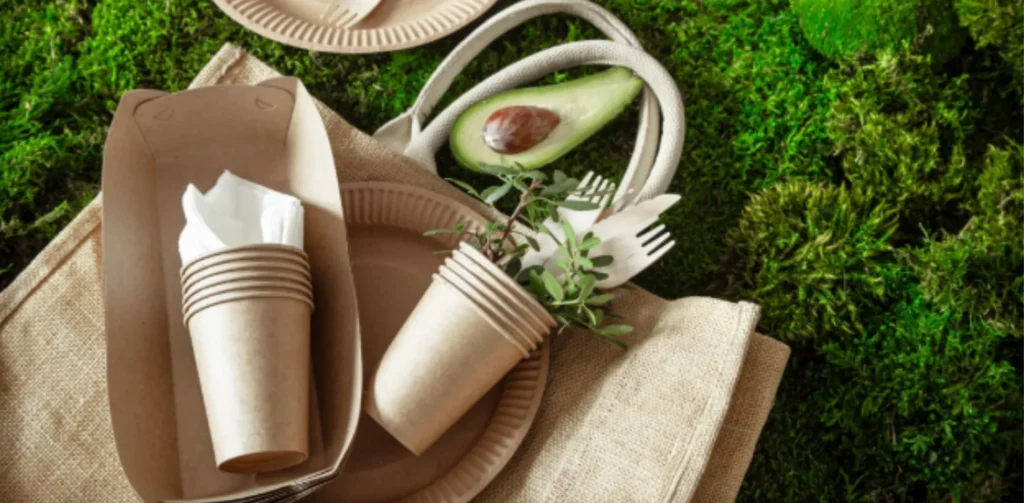
This is a new sector. With the world prohibiting Styrofoam and single-use plastic, the biodegradable packing of India is acquiring a market in the world. The products are Areca palm leaf plates (manufactured in Karnataka/ Tamil Nadu), Sugarcane Bagasse containers and Cornstarch cutlery. They are Heaterproof, strong, and biodegradable.
The manufacturing process can be chemical-free, with the heat and pressure being used to form the natural materials. You would sell to catering firms, event planners and supermarkets in the foreign countries. The product must be certified as compostable (i.e. DIN CERTCO). This is a volume business; unlike handicrafts, consistency and hygiene are most crucial. The slogan is convincing: “Dinnerware that goes back to the earth in 90 days.”
- Who buys it internationally: Europe, the USA, and Australia.
- Why it is popular (2026): The pressure on plastic waste requires its regulation, and the hospitality sector has to urgently change to these alternatives.
- How to start it: APEDA or EPCH registration in accordance with the material.
- Profit Potential: Volume-based. Huge scalability capabilities.
How to Find Buyers for Your Export Business (Short)
It is usually difficult to locate the buyer as compared to the product. These are the best methods of identifying the buyers:
- B2B Marketplaces: Pay to be a member of platforms such as Alibaba, Indiamart, or GlobalSources. These are the initial locations that buyers look into.
- Trade Fairs: There is no substitute of a face-to-face interaction with people. Attend large fairs like Canton Fair in China, Magic in USA in fashion and Anuga in Germany in food.
- Indian Embassies: Indian High Commission in other countries normally has a commercial section which can provide you with a list of reliable importers.
- Digital Marketing: A well-defined webpage and LinkedIn connection with the purchasers in other businesses abroad may introduce much enthusiasm.
Legal / compliance requirements (Short)
Do not get frightened by the paperwork. It is a one‑time setup.
- IEC (Import Export Code): This is mandatory to all the exporters.
- Exports are tax free: Although there will be zero tax, you should register the GST.
- RCMC: become a member of an Export Promotion Council such as FIEO, APEDA or Spices Board.
- Code of AD: Obtain an Authorized Dealer Code at your bank to clear the customs.
- Product Specific: FDA required in the US of food or drugs, CE required in Europe of electronics and toys, and organic certifications such as NPOP/NOP of organic products.
Tips for Women Entrepreneurs and Beginners
- Get Small: You do not have to fill up a 20 foot container as yet. Ship with LCL (less than a container load) or even air with less valuable but high-value goods such as jewelry.
- Avail the use of Government Schemes: Check the Mahila Udyam Nidhi or other MSME Scheme to women.
- Tell a Story: You are a new seller and you can not compete with big companies in terms of price. Pay attention to the narrative – “Made by tribal women, Sourced by a single farm. Customers are fond of a human relationship.
Conclusion & Expert Advice
Exporting in 2026 is not only a business opportunity, but also an opportunity to contribute to a global transformation in India. What the world desires is what India produces, be it turmeric to enhance immunity, eco-friendly textile, or nano-technology. Do not attempt to sell it all at the time. Select a single product, get to know all about it as well as identify a market that requires it. Export success is the achievement of being an expert, rather than a generalist.
FAQs
How much money is needed to initiate an export business?
Registration and samples take ₹50,000 to 1Lakh starting with anything as small as ₹50,000 to register and sample when working as a merchant exporter (buying not making).
Do I need a license to export?
Yes. The principal license is the IEC (Import Export Code). Certain goods such as food or drugs need additional clearances
Is the export income taxable to India?
Export income is taxable but with numerous incentives and refunds being offered by the government like GST refunds and RoDTEP, the amount of tax paid to the government is lowered.
What is the country that new exporters should prefer?
UAE and USA are two good places to start due to the presence of large populations of Indian community, excellent demand and well-defined trade regulations.